Asian Hornets and the tide of transmission.
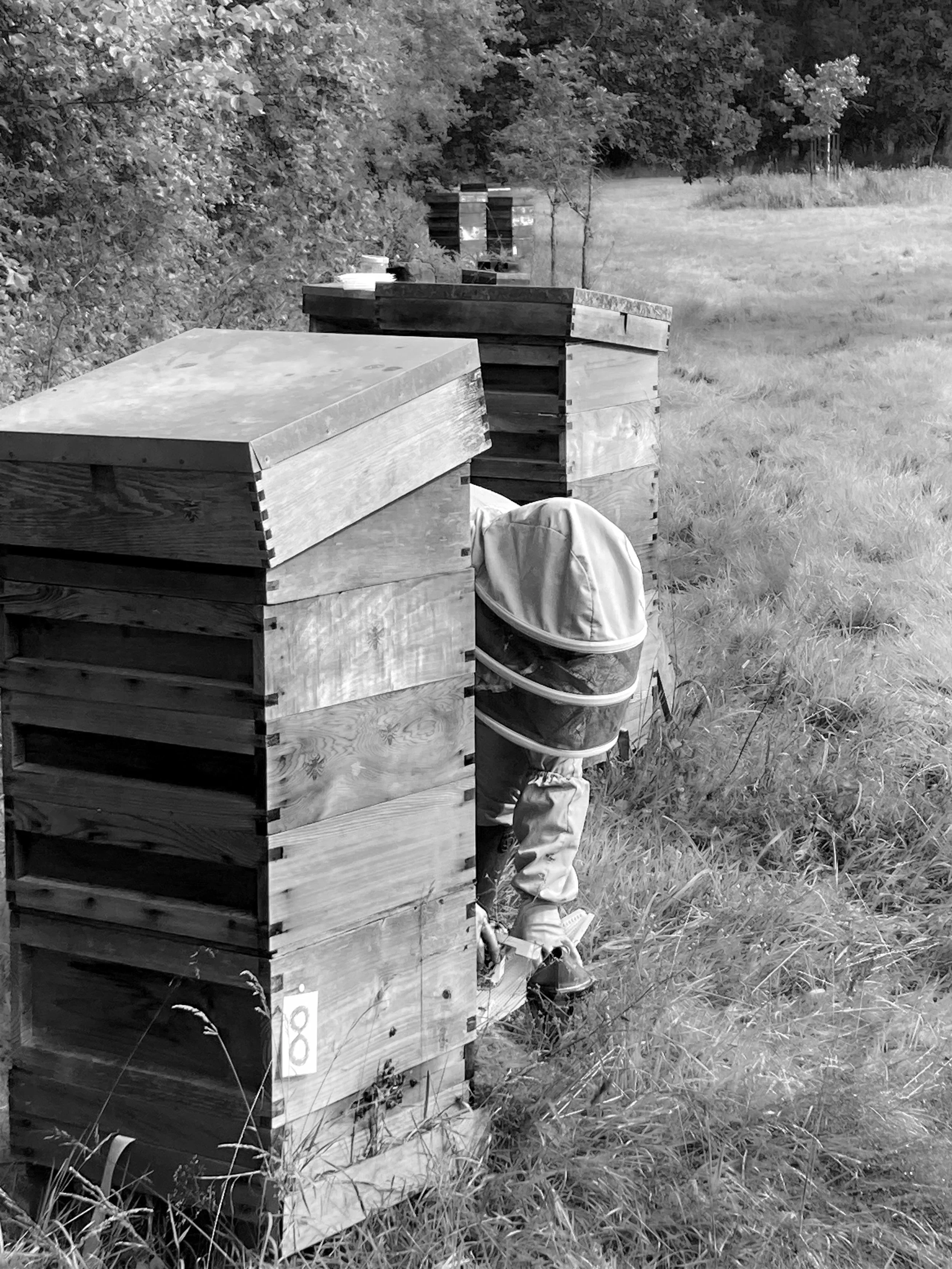
As a beekeeper, I care deeply about bees—not just those in managed hives, but the countless wild pollinators that underpin healthy ecosystems. Thus I conducted a review exploring the growing concern that commercially managed bees, often used as a quick fix for pollinator decline, may unintentionally be causing serious harm to biodiversity. By examining disease and parasite transmission, competition for resources, and the overlooked role of solitary bees, it highlights how the widespread use and movement of commercial hives can place immense pressure on wild populations. These issues are not just academic to me; they are personal. Protecting pollinators means looking beyond short-term solutions and committing to more responsible, research-driven practices that safeguard the future of all bees.
Through the eye of the bee
This short film was a collaborative project on which I directed and managed the script and post-production. The issues discussed in the film surrounding disease and pest transmission will be one of the most dangerous issues our pollinators face in the coming years (this includes solitary and eusocial bees). This combined with the dangerous effects of climate change and anthropogenic influences are having drastic effects on bees all over the world. Hence, we felt it was so important to highlight some of these dangers and open the viewers eyes, hopefully making them want to act and get involved in conservation efforts.